
Espresso vs Coffee: What's the Real Difference in Roast, Caffeine & Flavor?
Published by Espresso 4 U Barista Team · 4 min read · 1413 72nd St E, Tacoma, WA
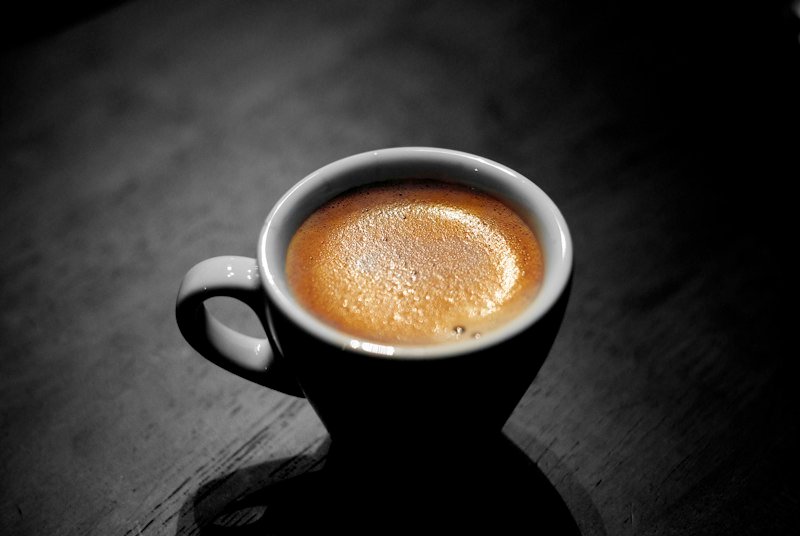
One of the most frequent questions heard at drive-through coffee stands across Tacoma is straightforward: "Is espresso just super strong coffee, or is it made from different beans?"
The truth is that all espresso is coffee, but not all coffee is espresso. The distinction comes down to extraction pressure, grind size, concentration, and water contact time. Here is how both brew methods compare and why it affects what you order at the window.
1. The Extraction Method: Pressure vs Gravity
Traditional brewed drip coffee relies on gravity. Hot water (typically between 195°F and 205°F) drips gently over a basket of coarsely ground coffee beans, filtering through paper or metal over four to six minutes.
Espresso, by contrast, is defined by force. A commercial espresso machine forces water heated to approximately 200°F through a finely compressed "puck" of ground coffee at 9 bars of atmospheric pressure (about 130 PSI). This rapid extraction takes only 25 to 30 seconds.
2. The Secret of Crema
Because of that high pressure, carbon dioxide trapped within roasted coffee beans dissolves into the water. As the liquid exits the portafilter into normal atmospheric pressure, the gas expands and forms millions of microscopic bubbles.
This produces crema—the signature golden-brown foam crowning a freshly pulled shot. Crema traps volatile aromatic compounds, giving espresso its intense fragrance and velvety texture that cannot be replicated in drip coffee.
3. Caffeine Content: Concentration vs Total Volume
There is a common myth that an espresso shot delivers dramatically more caffeine than a standard drip cup. In reality:
- Single Espresso Shot (1 oz): Contains roughly 60 to 75 mg of caffeine.
- Standard Drip Coffee (12 oz): Contains roughly 120 to 180 mg of caffeine.
Ounce for ounce, espresso is much more concentrated. But because a mug of brewed coffee contains substantially more liquid volume, a full 12-ounce cup of drip coffee typically delivers higher total caffeine than a single 1-ounce shot.
4. Why Espresso Serves as the Foundation for Specialty Drinks
Because espresso is concentrated, it can be combined with 6 to 12 ounces of steamed milk—as in our Caffè Lattes or White Chocolate Mochas—without tasting watered down. Standard drip coffee simply does not have enough body or extraction density to stand up to heavy milk or syrup.
Order Fresh at Our 72nd Street Stand
At Espresso 4 U, we pull every double shot to order using calibrated commercial equipment. Whether you prefer a straight espresso or a custom flavored latte, your drink is made fresh for your Tacoma morning commute.